
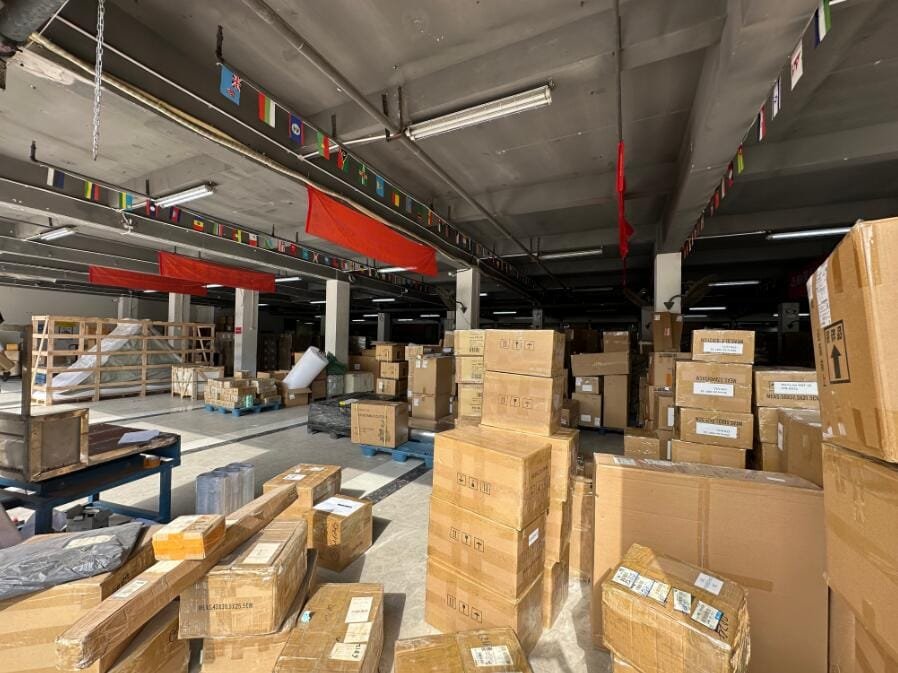
To ship from China to Australia smoothly, you must confirm accurate cargo details, choose the right Incoterm, select a suitable shipping method, and work with a reliable freight forwarder who can manage export handling, Australian customs clearance, GST, and final delivery.
Most Australian importers contact me after something has already gone wrong — an unexpected GST bill, a shipment stuck at customs, or a quote that doubled after arrival. The reality is simple: shipping from China to Australia is not difficult, but it is process-driven. If you skip steps or rely on incomplete advice, costs and delays are almost guaranteed.
In this guide, I’ll walk you through the exact step-by-step process I use at DFH Logistics to help importers, e-commerce sellers, and businesses ship from China to Australia with predictable cost and timing.
This Part 1 focuses on the planning and decision stage, which determines 80% of the final outcome.
Step 1: What Information Do Freight Forwarders Need for China–Australia Shipping?
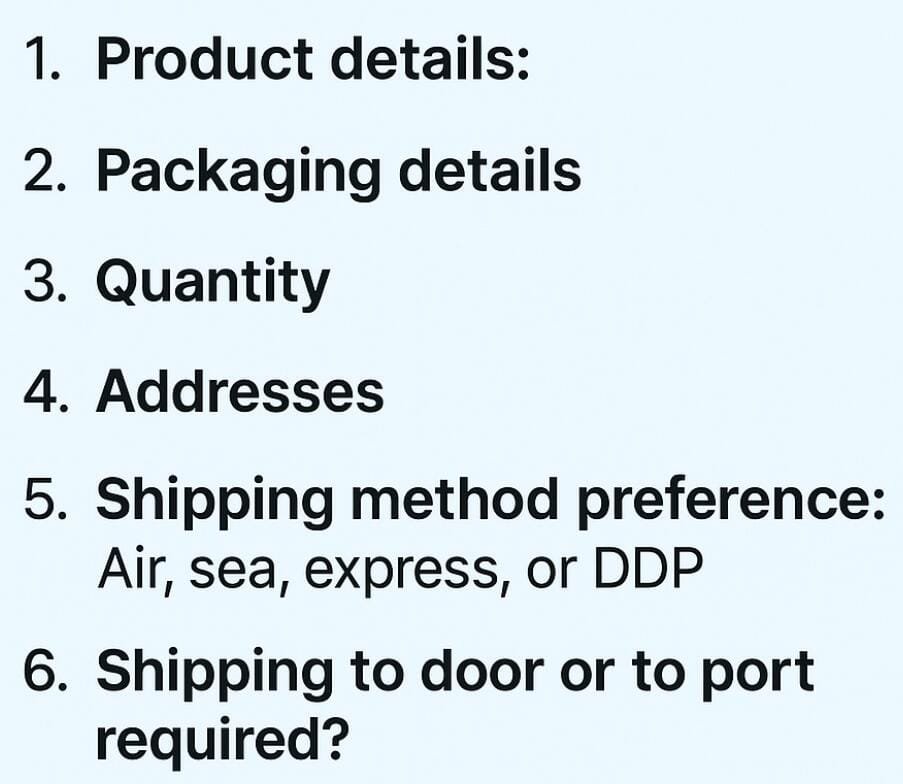
A freight forwarder can only provide an accurate and executable shipping plan if you supply complete cargo details, including product description, weight, volume, packaging, special attributes, and final delivery address.
Before you ask for a quote, you should prepare the following information:
- Product name and usage
This affects HS code classification and Australian customs requirements. - Estimated weight and volume (CBM)
Ocean freight is charged by volume; air freight by chargeable weight. - Packaging details
Carton count, palletized or loose, stackable or not. - Special cargo attributes
Batteries, liquids, powders, wooden packaging, oversized cargo. - Delivery address type in Australia
Commercial address, residential address, warehouse, or Amazon FBA.
Why this matters:
Incomplete information leads to inaccurate quotes, which later turn into additional charges. A reliable freight forwarder will ask detailed questions at this stage — that is a good sign, not a delay.
Step 2: Which Incoterms Are Best for Shipping from China to Australia?
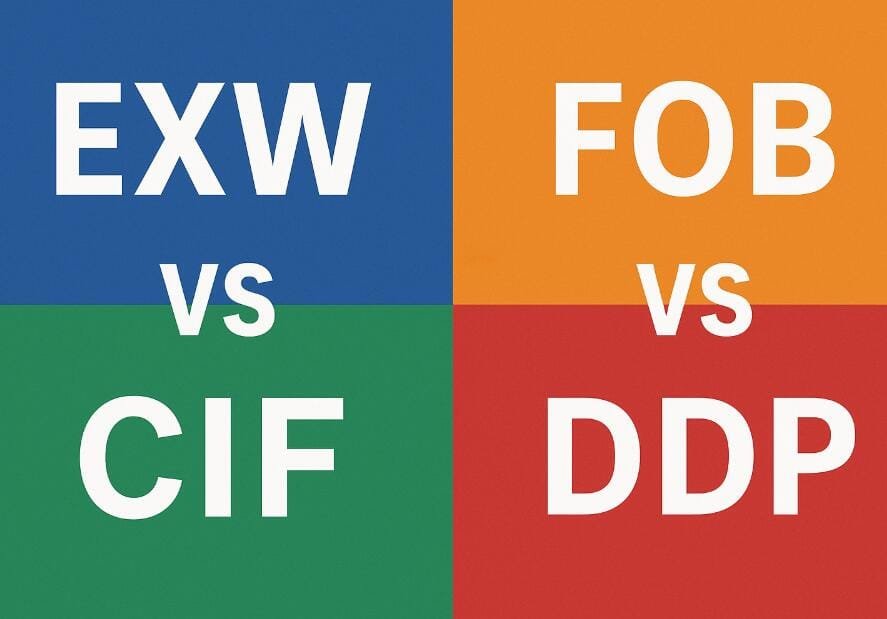
For most Australian SMEs and e-commerce sellers, DDP (Delivered Duty Paid) is the safest and most predictable Incoterm, while FOB offers flexibility for experienced importers who manage customs and taxes themselves.
Here is how the most common Incoterms work in real China–Australia shipments:
- EXW (Ex Works)
You take responsibility from the factory door. Highest risk for beginners. - FOB (Free On Board)
The supplier handles export; you control international freight and import clearance. - CIF (Cost, Insurance, Freight)
Freight to port is included, but destination charges and GST are not. - DDP (Delivered Duty Paid)
Door-to-door service with freight, customs clearance, GST, and duties handled.
In practice, many Australian importers choose DDP shipping because it avoids:
- Dealing with Australian customs brokers directly
- Paying GST and duties separately
- Unexpected port and destination fees
The right Incoterm depends on your experience level, cash flow, and internal resources, not just cost.
You can also check this blog EXW vs FOB vs CIF vs DDP: Which Incoterm Is Right for Your Imports from China?
Step 3: Choosing the Best Shipping Method from China to Australia
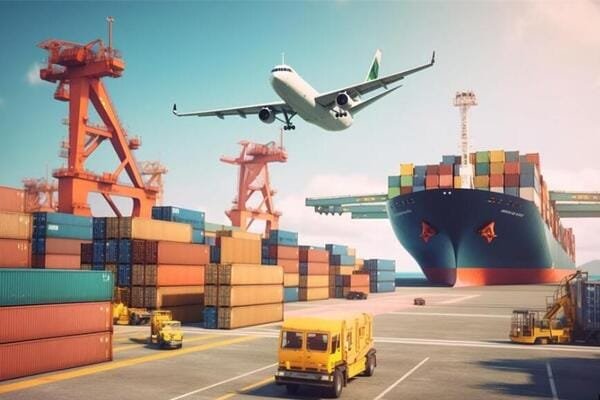
The best shipping method from China to Australia depends on cargo volume, urgency, and budget: air freight for speed, sea freight for cost efficiency, and express courier for small, urgent parcels.
Here is how I help clients decide:
Air Freight
- Best for urgent or medium-weight cargo
- Typical transit time: 7–12 days door-to-door (DDP)
- Higher cost, but faster cash flow
Sea Freight
- Best for bulky or heavy shipments
- LCL for small volumes, FCL for full containers
- Typical transit time: 25–40 days door-to-door
Express Courier (DHL / UPS / FedEx)
- Best for small, lightweight shipments
- Typical transit time: 3–7 days
- Cost increases sharply with weight and size
A professional freight forwarder does not simply quote prices — they explain why a method fits your shipment, and what trade-offs you are making between cost and time.
Step 4: How to Choose a Reliable Freight Forwarder for China–Australia Routes

A reliable freight forwarder for China–Australia shipping must combine route experience, transparent pricing, customs capability, and strong execution across the entire logistics chain.
When evaluating a freight forwarder, focus on the nine core criteria below:
-
China–Australia Route Experience
The forwarder should regularly handle shipments on this route and understand Australian GST, inspections, and local compliance requirements. -
Clear and Transparent Quotation
All-inclusions and exclusions must be clearly stated, especially GST, customs clearance, and last-mile delivery costs. -
Australian Customs Clearance Capability
The forwarder should work with licensed Australian customs brokers and pre-check documents before cargo arrival. -
End-to-End Operational Control
From factory pickup in China to final delivery in Australia, the process should be managed under one coordinated system. -
Multi-Supplier Consolidation Ability
The forwarder must be able to collect goods from multiple suppliers and consolidate them efficiently to reduce cost. -
Experience with Special and Oversized Cargo
Batteries, liquids, wood packaging, and oversized shipments require practical handling experience, not trial and error. -
Risk Management and Contingency Planning
A reliable forwarder anticipates delays, inspections, and schedule changes and prepares solutions in advance. -
Communication and Responsiveness
Timely updates, clear documentation, and fast response times are essential during every stage of the shipment. -
Long-Term Partnership Mindset
The best forwarders focus on long-term cost optimization and stability, not just one-off shipments.
Key takeaway:
Selecting the right freight forwarder for China–Australia routes is about execution, accountability, and risk control — not chasing the lowest price.
If a forwarder avoids details, refuses to explain cost components, or only competes on price, the risk is usually passed on to you later.
Step 5: Supplier Pickup and Export Handling in China
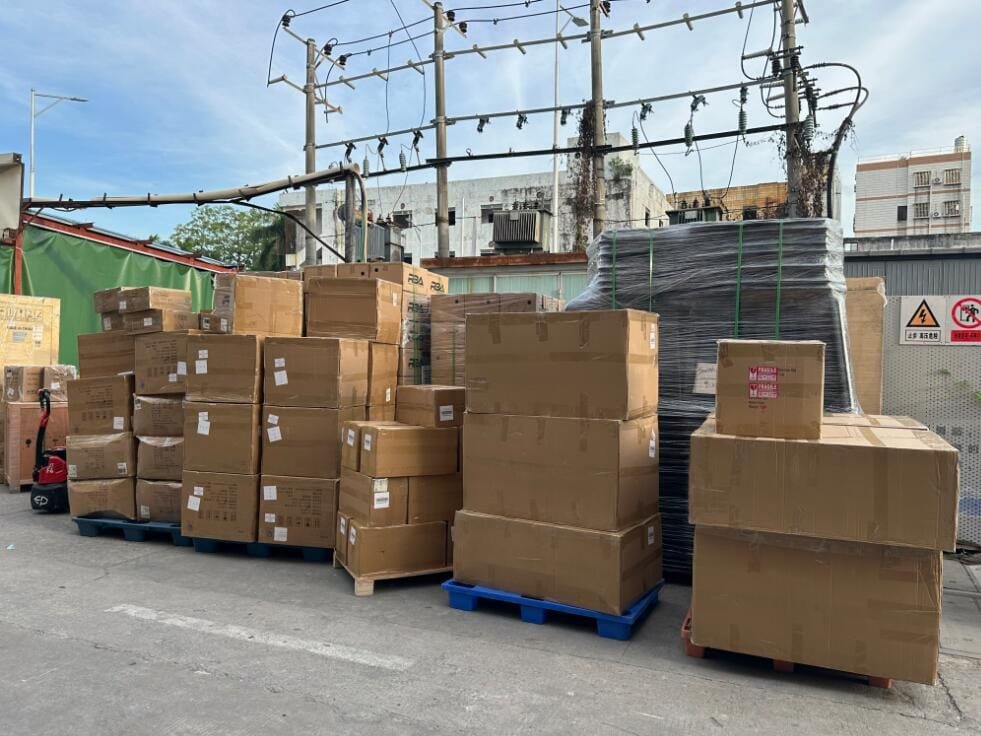
A reliable freight forwarder manages factory pickup, consolidation, warehousing, and China export customs declaration to prevent delays before the shipment even leaves China.
Once the plan is confirmed, execution on the China side becomes critical. This stage is where many hidden problems start if it is not handled professionally.
Key tasks include:
- Factory pickup and coordination
Scheduling pickup with suppliers, confirming packaging readiness, and avoiding missed collection. - Consolidation from multiple suppliers
Combining goods into one shipment to reduce cost and simplify customs documentation. - Warehouse services
Carton counting, photo inspection, repacking, labeling, palletizing if required. - China export customs declaration
Correct HS codes, declared value, and export compliance.
Mistakes at this stage often lead to:
- Missed vessel or flight schedules
- Export clearance delays
- Incorrect documents that later affect Australian customs clearance
This is why experienced China-side operations matter more than sales promises.
Step 6: International Transportation from China to Australia
International transportation involves space booking, cargo loading, transit tracking, and proactive risk management, especially during peak seasons.
After export clearance, the shipment enters the international transport phase.
What a professional freight forwarder handles here:
- Space booking and scheduling
Selecting the right sailing or flight based on transit time and cost. - Cargo loading and handling
Proper container loading or airline handling to avoid damage. - In-transit tracking and updates
Providing milestone updates instead of vague “in transit” messages. - Risk control during peak seasons
Managing delays caused by congestion, weather, or capacity shortages.
For Australia-bound shipments, delays often occur due to:
- Port congestion
- Missed transshipment connections
- Incomplete documents prepared earlier
Good forwarders solve problems before they become visible to the importer.
Step 7: Australian Customs Clearance, GST, and Import Compliance
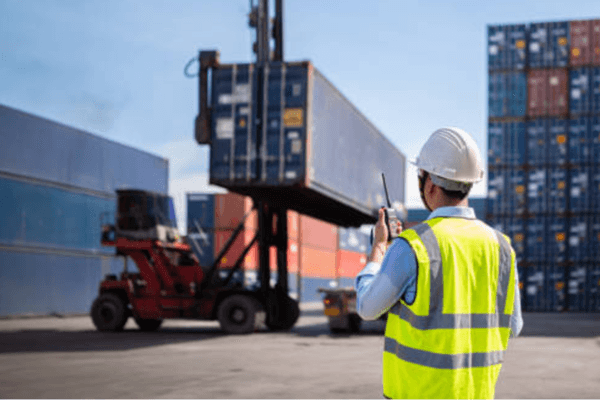
Australian customs clearance requires accurate documents, correct cargo declaration, and proper handling of GST and import duties to avoid delays or penalties.
When the shipment arrives in Australia, customs clearance becomes the most sensitive step.
Typically required documents include:
- Commercial Invoice
- Packing List
- Bill of Lading or Air Waybill
- HS code and cargo description
- Importer details and GST handling arrangement
Key points importers must understand:
- GST is usually charged on the CIF value plus duty, not just product value.
- Incorrect declarations often trigger inspections and delays.
- Some products require additional permits or compliance checks.
With DDP Shipping, a Reliable Freight Forwarder or their licensed broker handles:
- Customs declaration
- GST and duty payment
- Communication with Australian Customs
This significantly reduces risk for importers who do not want to manage customs directly.
Step 8: Final Mile Delivery in Australia
Final mile delivery completes the shipment by arranging local transport from port or airport to the final destination in Australia.
After customs clearance, the shipment moves to local delivery.
Important delivery considerations include:
- Commercial vs residential address
Residential delivery may involve additional handling requirements. - Appointment and unloading rules
Some locations require booking time slots or special equipment. - Warehouse or Amazon FBA delivery
Requires advance booking and strict labeling compliance. - Proof of delivery and issue handling
Confirming delivery completion and managing exceptions if they arise.
A reliable freight forwarder ensures this stage is planned in advance, not improvised after arrival.
Cost Breakdown of Shipping from China to Australia
The total shipping cost from China to Australia consists of freight, export handling, customs clearance, GST, and local delivery — not just the headline freight rate.
Understanding the cost structure helps importers avoid surprises.
Typical cost components include:
- China-side handling and export declaration
- International freight (air or sea)
- Australian customs clearance and brokerage
- GST and import duties
- Local delivery and unloading
Why low quotes are risky:
- Some quotes exclude GST or destination charges
- Others understate volume or weight
- Additional fees appear only after arrival
An all-in or clearly itemized quotation from a reliable freight forwarder offers better cost predictability than a cheap headline price.
Here you can know more: How to Get Accurate Shipping Quotes
Common Mistakes When Shipping from China to Australia
Most shipping problems are caused by incomplete information, poor Incoterm choices, and selecting freight forwarders based on price alone.
The most common mistakes when shipping from China to Austrlia I see include:
- Providing incomplete cargo details
- Choosing Incoterms without understanding responsibility
- Ignoring Australian customs and GST rules
- Selecting the cheapest quote without checking inclusions
- Poor communication between supplier and forwarder
Avoiding these mistakes saves both money and time.
Why Using a Professional Freight Forwarder Simplifies China–Australia Shipping
A professional freight forwarder coordinates every stage of the shipment, reducing risk, improving predictability, and allowing importers to focus on their business instead of logistics problems.
Compared with managing shipping yourself, a reliable freight forwarder offers:
- End-to-end operational control
- Fewer surprises and disputes
- Faster problem resolution
- Long-term cost efficiency
For growing businesses, this is not an expense — it is operational leverage.
Final Checklist – How to Ship from China to Australia Successfully
To ship from China to Australia successfully, confirm cargo details, choose the right Incoterm and shipping method, work with an experienced freight forwarder, and ensure customs and delivery are planned before shipment departure.
Use this checklist before every shipment:
- Confirm product, weight, volume, and packaging
- Choose the correct Incoterm
- Select the right shipping method
- Verify what costs are included
- Ensure customs clearance and GST handling are arranged
- Confirm final delivery requirements
Following this process consistently is how importers achieve predictable cost, compliant clearance, and on-time delivery when shipping from China to Australia.