
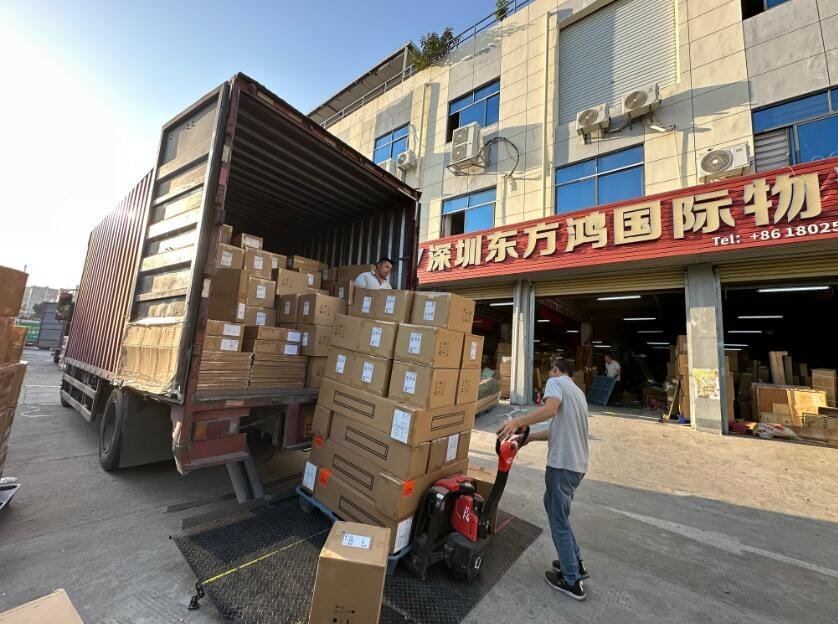
To choose the best freight forwarder from China to Australia, you must evaluate the provider across qualifications, Australia-route experience, service scope, pricing transparency, operational stability, and digital capability. The right decision is not about the lowest quote, but about predictable cost, compliant customs clearance, and stable delivery performance.
As the co-founder of DFH Logistics, I’ve spent more than 12 years working with Australian importers, e-commerce sellers, wholesalers, and project buyers.
What I see most often is this: many problems don’t happen during shipping — they happen before shipping, when the wrong forwarder is chosen.
Below is a clear, actionable evaluation framework you can use to make the right decision with confidence.
How to Evaluate a Freight Forwarder: The Core Criteria
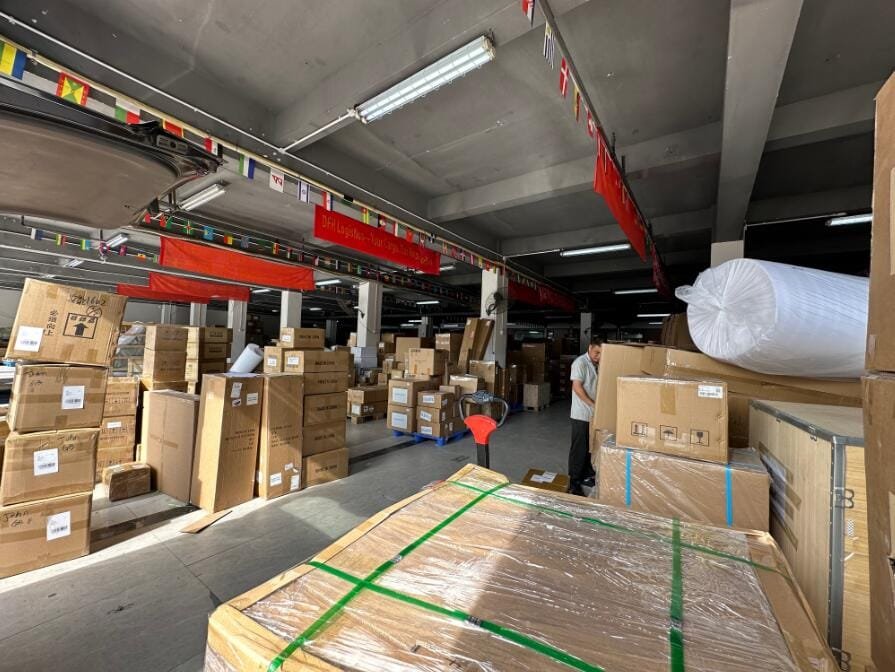
A professional China–Australia freight forwarder must be assessed systematically, not emotionally or by price alone.
Use the following key dimensions to compare potential service providers:
| Evaluation Dimension | What You Should Check |
|---|---|
| Experience & Licensing | Years in operation, proven China–Australia route experience; official registrations such as international freight forwarding备案, IATA membership (for air freight), NVOCC qualification (for ocean freight). |
| Service Scope & Capability | Ability to support air, sea, and express shipping; strong Australian customs clearance resources are essential. |
| Value-Added Services | Warehousing, consolidation, cargo insurance, professional packing and reinforcement, door-to-door delivery. |
| Cost & Transparency | Whether pricing is clear and all-inclusive; watch for hidden charges such as fuel surcharges, remote area fees, and destination handling. DDP capability is a major advantage. |
| Transit Time & Stability | Realistic transit times on main routes; capacity guarantees during peak seasons (November to February). |
| Technology & Communication | Online tracking systems, digital shipment management, fast response time, and clear English or Chinese support. |
If a forwarder cannot explain these clearly, they are not ready for the Australia market.
Recommended Shipping Solutions from China to Australia
The best shipping solution depends on your cargo value, urgency, and shipment size — there is no single “best” method for everyone.
Below are the two most common and practical options.
Option 1: Air Freight or Express Shipping
Air and express shipping are ideal for high-value, time-sensitive, or small-batch shipments.
Typical use cases include electronics, samples, urgent Amazon restocking, and fast-moving e-commerce goods.
Key characteristics:
- Transit time: usually 3–15 days
- Higher cost, but faster cash flow
- Suitable for lighter or high-margin products
Service provider types to consider:
- International couriers such as DHL, FedEx, UPS
- China–Australia dedicated line operators and consolidation specialists with strong local delivery networks
In many cases, specialized Australia-focused lines can offer better cost-to-speed ratios than standard express couriers.
Option 2: Ocean Freight (LCL or FCL)
Ocean freight is the most economical choice for large volumes, bulky cargo, or low-value goods.
Typical cargo includes furniture, building materials, machinery, and bulk inventory.
Key characteristics:
- Transit time: usually 15–60 days
- Much lower cost per unit
- Available as LCL (shared container) or FCL (full container)
This option requires a forwarder with strong consolidation ability in China and reliable customs handling in Australia to avoid delays.
Option 3: DDP shipping(Door to Door Delivery with Duties Prepaid)
DDP shipping is the simplesest shipping method from China to Australia. Receivers need only do one time payment to thei freight forwarder and then waiting at home to receive the packages.
All the rest things can be do by their China freight fowarder including pick up at suppliers factory, repacking, Labelling,Check goods quality, quantity. and send all together door to door.
Read more details here about: What is DDP Shipping
Cost Reference: How Much Shipping form China to Australia costs?
Shipping prices fluctuate significantly due to seasonality, fuel costs, and capacity — always treat numbers as ranges, not guarantees.
Below is a general cost reference for 2025 market conditions, based on a 100 kg shipment for common goods without batteries without famous brand:
| Shipping Method | Transit Time | Cost Reference | Best For |
|---|---|---|---|
| Air Freight | 10–15 days | ~USD 7–9/kg | High-value, urgent cargo |
| Ocean Freight (LCL) | 50–60 days | ~USD 300–500 total | Large volume, low urgency |
| Express Courier | 3–5 days | High first-kg cost | Small parcels, documents |
Always request a written all-in quote, clearly stating what is included and excluded.
Why DDP Shipping Is Especially Important for Australia
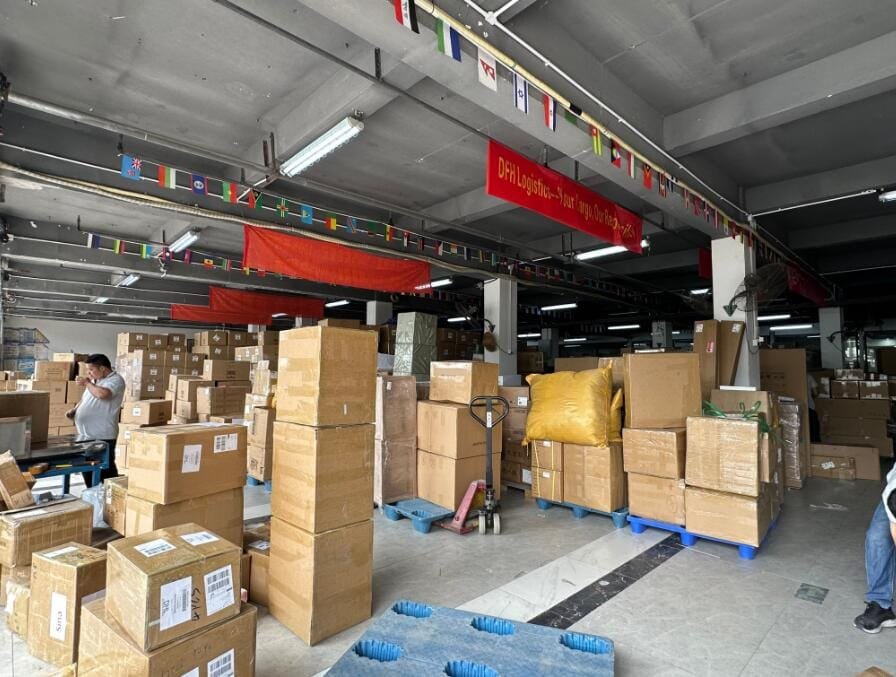
For many importers, DDP (Delivered Duty Paid) is the safest and most controllable option.
With DDP shipping:
- The forwarder handles Australian customs clearance
- GST and duties are prepaid
- You receive goods door-to-door
- No need to deal with brokers or Australian Border Force directly
For e-commerce sellers and first-time importers, DDP greatly reduces operational risk and accounting uncertainty.
Practical Steps to Choose the Right Forwarder
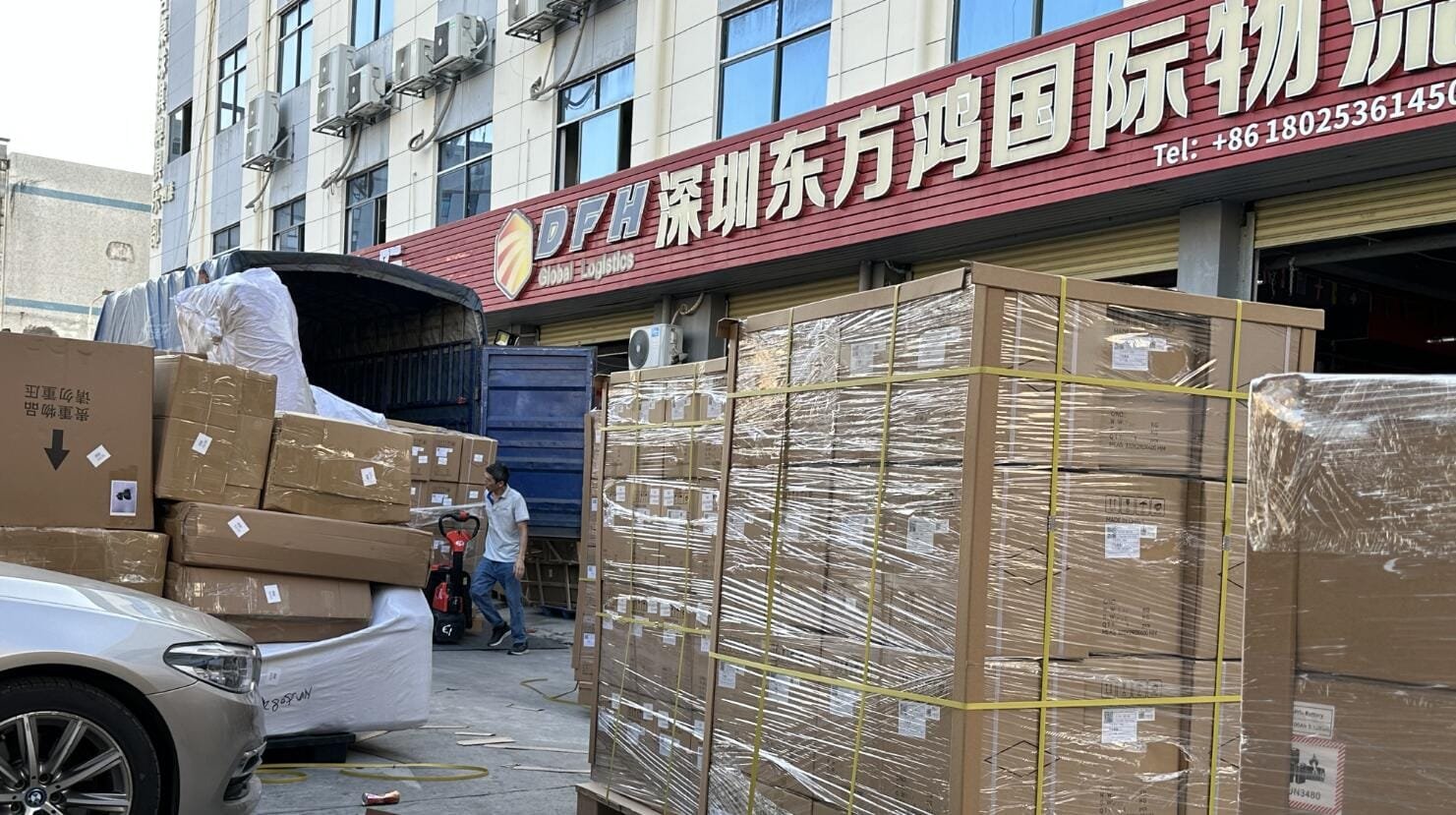
To reduce risk, I always recommend a structured decision process.
- Clarify your needs
Cargo type, weight, volume, pickup city in China, delivery postcode in Australia, and required transit time. - Shortlist 3–5 providers
Focus on those with proven China–Australia experience and proper licensing. - Request detailed quotations
Ask for all-in pricing in writing and compare line by line. - Validate through communication
Ask for similar shipment cases and evaluate response quality and speed. - Test before scaling
For first cooperation, start with a small shipment to verify real performance.
Final Thoughts from My Experience
Choosing a freight forwarder from China to Australia is a long-term business decision, not a one-off transaction.
The right partner protects:
- Your cash flow
- Your delivery timeline
- Your compliance risk
- Your customer experience
The wrong partner costs far more than shipping fees.
If you approach this decision with structure, verification, and realistic expectations, you will avoid most of the problems importers face — and shipping becomes a stable part of your supply chain, not a constant headache.
If you want, you can next tell me:
your cargo category
weight / CBM
origin city in China
Australian destination postcode
I can then help you match the most suitable shipping method and cost structure, step by step, based on real operational logic rather than generic advice.