
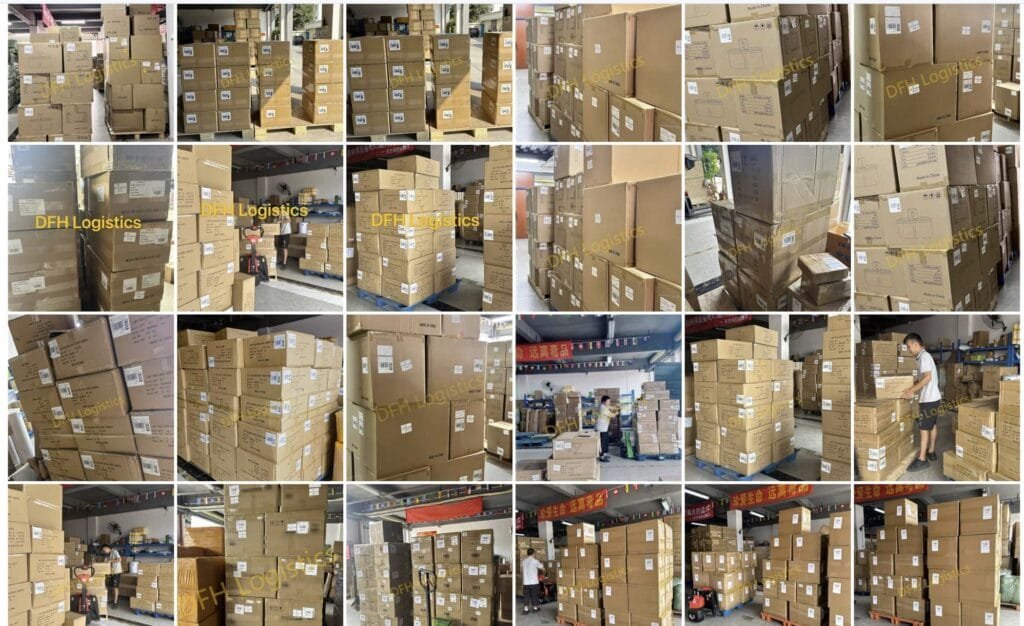
If you sell on Amazon Australia and source from China, the fastest way to scale is to remove logistics uncertainty: predictable landed cost, FBA-compliant cartons and labels, clean GST and customs clearance, and reliable appointment delivery to Amazon FC. In this guide, I share the exact execution framework I use at DFH Logistics (13+ years) so you can ship with fewer surprises and stop wasting time comparing unclear quotes.
Why do Amazon sellers need a specialized freight forwarder for China to Australia?
A specialized Amazon forwarder prevents the exact failures that cause FBA rejections, unexpected GST bills, and inventory delays by controlling the entire workflow, not just “shipping.”
Most forwarders can move cargo from A to B. Amazon sellers need a partner who can move cargo from A to B in a way that Amazon will accept, and in a way that keeps your landed cost predictable.
In my daily work with Amazon sellers, the difference is not “who has cheaper freight.” The difference is whether the forwarder can control these Amazon-critical points:
- Multi-supplier pickup and consolidation without carton count errors
- Label verification before loading (FNSKU, carton labels, shipping marks)
- Clear DDP shipping responsibility definition (GST, duty, clearance, last mile, appointment)
- Shipment-plan alignment (cartons, SKUs, packing method)
- Australia customs clearance execution (HS code logic, declaration data quality)
- Appointment delivery to Amazon FC with correct references and time windows
If your forwarder is weak at any one of these, you may still receive cargo eventually, but you will lose time, margin, and confidence with every shipment.
What does a “complete logistics solution” actually include for Amazon AU sellers?
A complete solution means one operational chain from factory pickup to Amazon FC delivery, with controls at every risk point that Amazon and customs can fail.
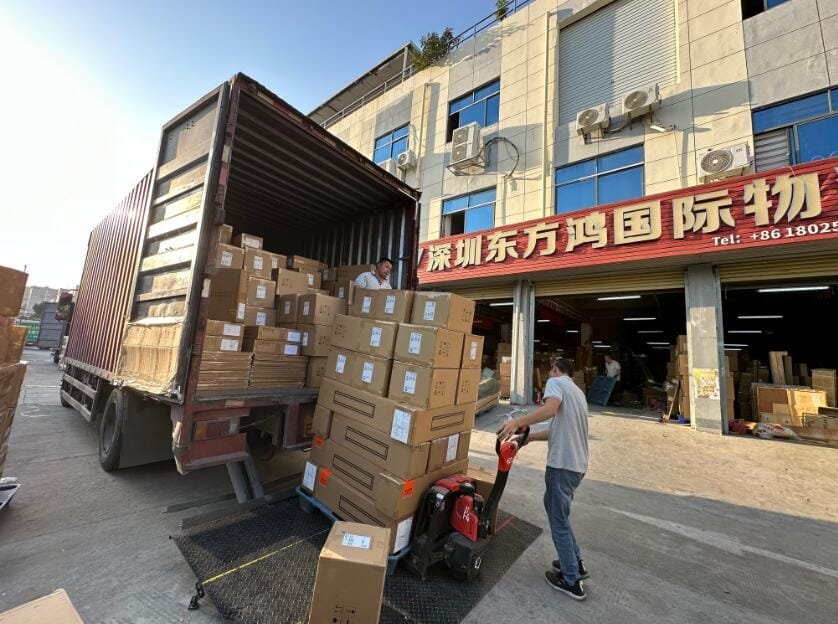
When I say “complete logistics solution,” I mean the forwarder is responsible for a repeatable system, not a single shipment. In practice, a complete solution typically includes:
- Supplier pickup in China (single or multiple factories)
- Consolidation in China warehouse (reduce CBM, unify cartons, standardize labeling)
- Pre-shipment checks (carton strength, label placement, carton count, SKU separation rules)
- Export customs declaration (China side compliance and documentation)
- International transport (air, sea, or mixed)
- Australia customs clearance and GST handling (based on confirmed scope)
- Last-mile delivery and appointment booking to Amazon FC
- Proof of delivery and exception handling (damage, shortages, relabeling, rebooking)
If a forwarder only covers “freight + customs” but cannot manage warehouse checks, labeling, and Amazon appointments, you do not have a complete solution. You have multiple moving parts with shared blame.
Which shipping method from China to Australia is best for Amazon FBA sellers?
The best method depends on your inventory strategy: DDP sea for base replenishment, DDP air for urgent restock, and express only for small emergency shipments.

I recommend choosing methods based on business reality, not emotion:
DDP Sea Freight
Best for:
- Bulky products and stable replenishment
- Sellers who want the lowest cost per unit
- Planned inventory cycles
Why it works for Amazon:
- Your landed cost is easier to forecast
- You can build a monthly or bi-monthly replenishment rhythm
- You reduce “logistics panic” and expensive air usage
Typical transit time: 25–40 days (door to door).
For a route-level breakdown, you can also review our China to Australia shipping complete guide.
DDP Air Freight
Best for:
- Fast-moving SKUs
- Stockout prevention
- Launch replenishment when sales spike
Why it works for Amazon:
- Faster inbound means faster cash conversion
- You can protect listing momentum and ranking
- You can “top up” inventory while sea freight is still moving
Typical transit time: 6–12 days (door to door)
Express Courier (DHL/UPS/FedEx)
Best for:
- Samples
- Small accessories
- True emergency micro-shipments
Why I do not recommend it as your long-term Amazon method:
- Cost is high and becomes unpredictable at scale
- Documentation and clearance can be less controllable for Amazon inbound
- It’s not a stable replenishment strategy
If you want to scale Amazon AU, the most stable model is usually:
- Sea as your base inventory pipeline
- Air as your rescue and growth accelerator
Why is DDP shipping usually the safest choice for Amazon sellers importing into Australia?
DDP reduces your operational burden by bundling clearance and tax handling into one accountable scope, but only if the DDP definition is clear and written.
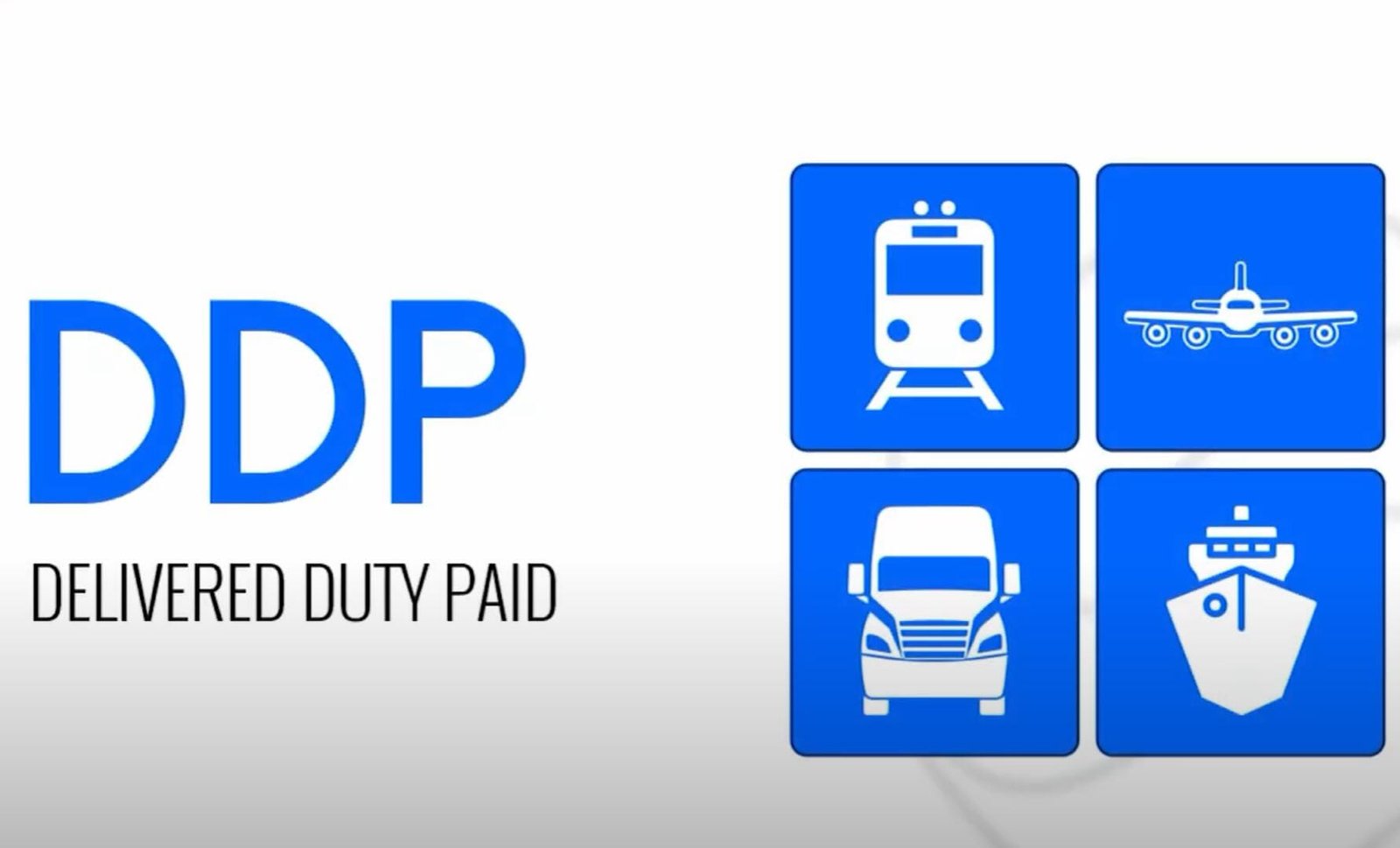
Australia imports are not “hard,” but they are unforgiving when data is wrong. DDP works well for Amazon sellers because it can eliminate two common failure points:
- Sellers don’t want to manage importer responsibilities, brokers, and GST workflows
- Sellers want one landed-cost number they can price into their Amazon listing
However, DDP is only “safe” if you confirm scope clearly. I always advise sellers to validate these items before booking:
- Does DDP include GST or not?
- Does it include duty if the HS code has duty?
- Is customs clearance included end to end?
- Does it include port charges and local handling fees?
- Does it include appointment delivery to Amazon FC?
- Are pallet handling and special delivery requirements included?
If any of those are unclear, the “DDP” label is meaningless and disputes become likely.
What are the most common reasons Amazon FBA rejects or delays inbound shipments?
Most rejections come from carton count mismatch, wrong labels, mixed SKUs, weak cartons, and failed appointment delivery, not from the freight method itself.
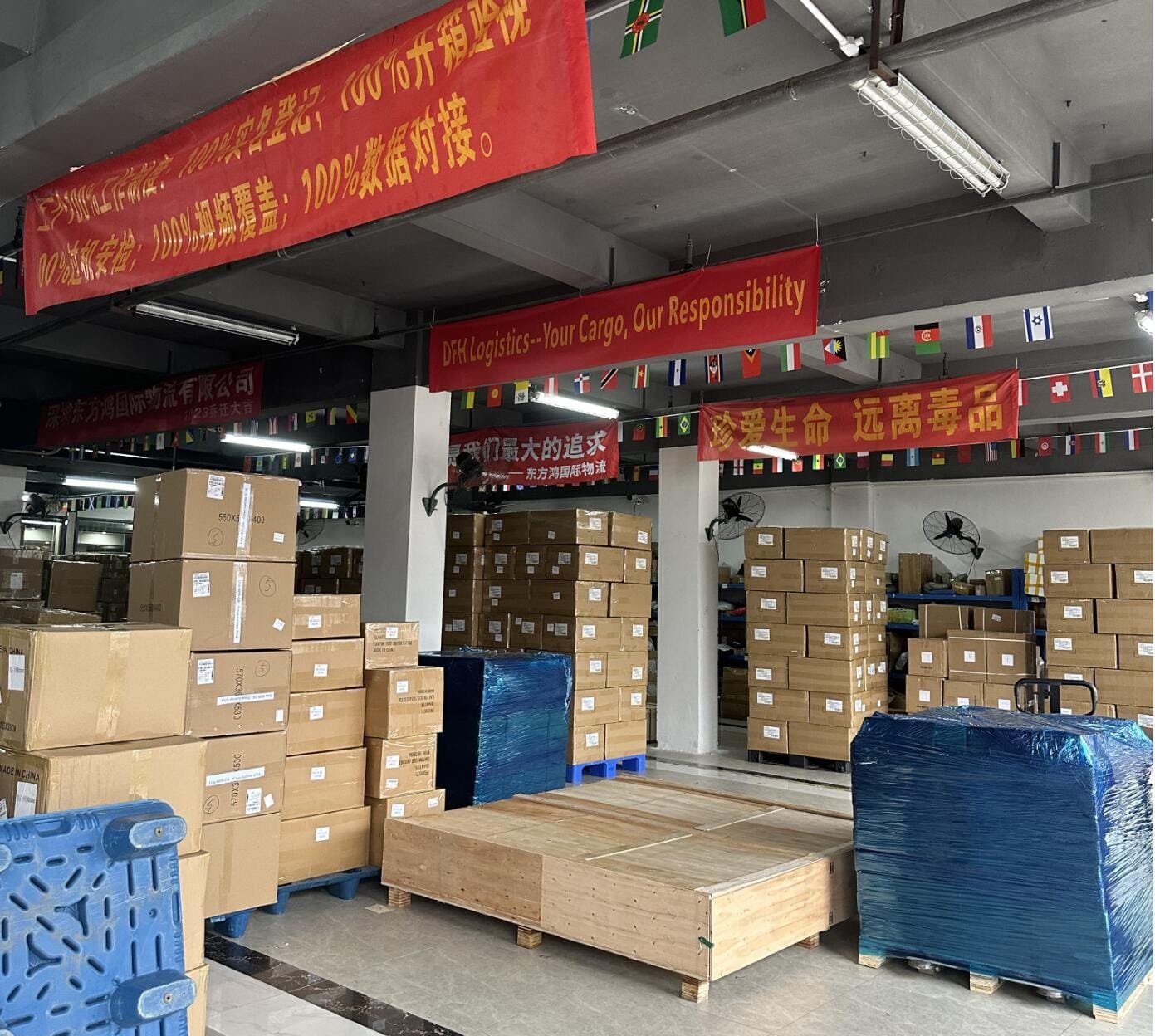
Here are the failure patterns I see repeatedly:
Carton count mismatch
Your Amazon shipment plan might say 30 cartons, but the warehouse receives 29 or 31. Even if the difference is small, Amazon inbound can be delayed while they investigate.
How to prevent it:
- Final carton count must be confirmed after consolidation, not before
- Photos and carton-number marking help you verify accuracy
- Do not let multiple factories ship separately to Amazon unless you can control alignment perfectly
Label errors (FNSKU and carton labels)
A label can be correct but placed wrong, or it can be scannable but covered by tape. Amazon inbound is designed for fast scanning, not manual interpretation.
How to prevent it:
- Print labels to correct size and clarity
- Apply labels consistently in the same location on cartons
- Do not cover barcodes with tape or stretch wrap
- Verify a sample scan before loading
Mixed SKUs or packing logic mismatch
Amazon shipment plans sometimes assume “single SKU per carton.” If cartons arrive mixed, receiving slows down.
How to prevent it:
- Confirm packing method when creating the shipment plan
- Lock the packing structure with your supplier and warehouse team
- Repack mixed cartons before export if needed
Weak cartons and damage in transit
Amazon may refuse severely damaged cartons, and even if they accept them, you can lose sellable units.
How to prevent it:
- Use export-grade cartons
- Add corner protection, inner cushioning, and moisture protection for ocean routes
- Reinforce heavy cartons with straps where necessary
Appointment and reference failures
Cargo can arrive at the Amazon gate and still be rejected without correct appointment or references.
How to prevent it:
- Confirm appointment booking responsibility
- Confirm the exact reference numbers required for that FC
- Confirm delivery window and truck requirements
How do I ship to Amazon Australia step by step from China without mistakes?
A reliable Amazon shipment follows a fixed SOP: confirm data, control consolidation, verify labels, export properly, clear customs cleanly, and deliver by appointment.
This is the execution SOP I run with sellers:
Step 1: Confirm shipment data before quoting
To avoid pricing surprises and compliance issues, I confirm:
- Product category and whether it has special compliance (battery, liquid, cosmetics)
- Carton quantity, carton dimensions, carton weight
- Total gross weight and total volume
- Amazon FC address and delivery requirements
- Labeling scope: who prints, who applies, who verifies
If a forwarder quotes without these details, the quote is not a real quote.
Step 2: Supplier pickup and consolidation
If you have multiple suppliers, consolidation is where you save cost and reduce errors:
- One warehouse, one carton count, one label standard
- Reduced CBM through safe packing optimization
- Fewer shipments means fewer points of failure
This is also why many sellers rely on DFH’s China consolidation capability rather than letting each factory ship separately.
Step 3: Warehouse checkpoint for Amazon compliance
This step prevents most Amazon inbound issues:
- Verify carton integrity and weight realism
- Verify label placement and readability
- Verify carton count and SKU segregation
- Take photos for your confirmation
Step 4: Export declaration and loading plan
Proper export documentation matters for smooth import:
- Commercial invoice and packing list must match final cartons
- Shipping marks should match carton labels
- Loading plan should protect cartons from crushing and moisture
Step 5: Transport by your chosen method
- DDP sea for cost control and predictable replenishment
- DDP air for urgent cycles
- Mixed strategy if you need both stability and speed
Step 6: Australia clearance and last-mile appointment delivery
This is where professional forwarders separate from “booking agents”:
- Clean declaration data aligned with invoice and HS code logic
- GST handling aligned with scope
- Appointment delivery and POD confirmation
How much does it cost to ship Amazon inventory from China to Australia?
Cost must be expressed as ranges because it depends on chargeable weight, carton size, HS code, and delivery scope, but you can still plan accurately with the right inputs.
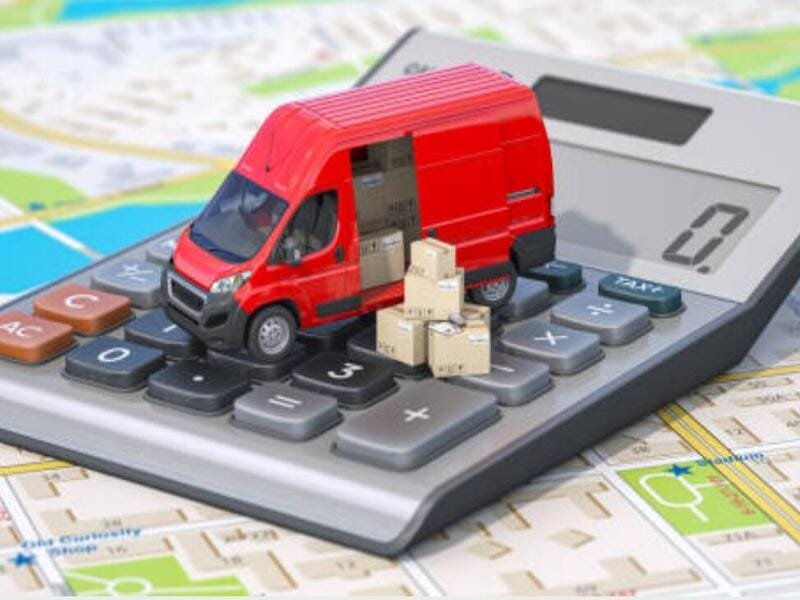
Below are practical reference ranges that help sellers budget:
| Method | Transit Time | Typical Range |
|---|---|---|
| DDP Sea Freight | 25–40 days | USD 1.8–4.5/kg |
| DDP Air Freight | 6–12 days | USD 6–13/kg |
| Express Courier | 3–7 days | USD 6–15/kg |
What drives your final cost most:
- Volumetric weight vs actual weight
- Carton size consistency (Amazon-friendly cartons ship more efficiently)
- Product category and HS code duty impact
- Delivery requirements (palletization, appointment, remote areas)
If you want accurate budgeting, the right approach is not asking five forwarders for “best price.”
The right approach is confirming inputs first, then comparing scope clearly.
How do I calculate landed cost correctly for Amazon Australia pricing?
Landed cost is your product cost plus all logistics and tax components required to place sellable inventory inside Amazon, not just the freight invoice.
This is the landed-cost structure I teach sellers to use:
- Product cost (EXW)
- China-side handling (pickup, consolidation, packing upgrades if needed)
- International freight (sea or air)
- Customs clearance and GST (and duty if applicable)
- Local delivery to Amazon FC (appointment and any handling)
- Risk buffer (damage allowance and delay buffer)
Practical tip:
If you want stable margins, you should price Amazon listings using a conservative landed cost, not your best-case cost. That prevents “margin shock” after your first big replenishment.
How should Amazon sellers plan replenishment to avoid stockouts and expensive air shipping?
The best Amazon logistics strategy is a restock system: sea for base pipeline, air for rescue, and a buffer that matches real lead time.

Here is a simple and effective method:
Build a two-speed pipeline
- Base inventory moves by sea
- Rescue inventory moves by air when sales spike or delays happen
Set a reorder point that matches reality
Sea freight is not a fixed number of days. You need buffer.
A practical approach I recommend:
- Stable SKUs: keep 4–6 weeks of buffer
- Fast-moving SKUs: keep 2–3 weeks buffer plus pre-approved air rescue plan
If you constantly “need air,” it usually means your reorder point is too late or your demand planning is too optimistic.
How do I choose the right freight forwarder for Amazon sellers from China to Australia?
Choose a forwarder based on operational capability and Amazon SOP, not sales promises; the best partner proves control through process and documentation.
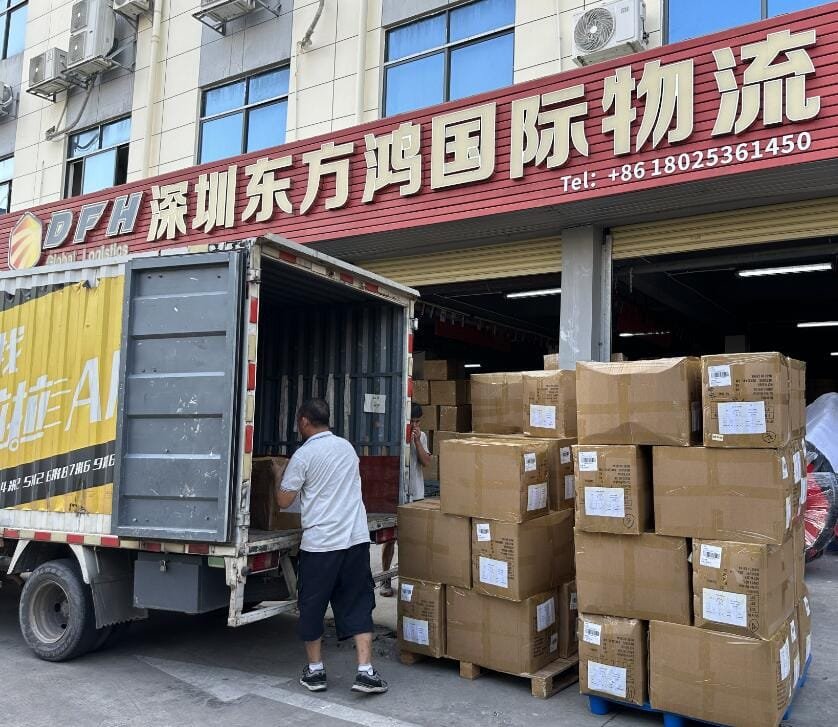
Here is the evaluation framework I use when sellers ask me how to judge forwarders:
- Do they have a real China warehouse and consolidation team?
- Do they have an Amazon labeling and verification SOP?
- Do they request carton size and weight before quoting?
- Can they explain DDP scope clearly and in writing?
- Do they provide pre-shipment photos and checkpoints?
- Can they handle exceptions: relabeling, repacking, rebooking?
- Do they understand replenishment cycles and split-shipment strategy?
A forwarder who is strong operationally will ask you many specific questions upfront.
A forwarder who is weak will only ask “how many kg” and “when do you need it.”
Why do Amazon sellers work with DFH Logistics for China to Australia shipments?
Sellers choose us because we run a controlled Amazon workflow that reduces FBA rejection risk and stabilizes landed cost across repeated replenishments.
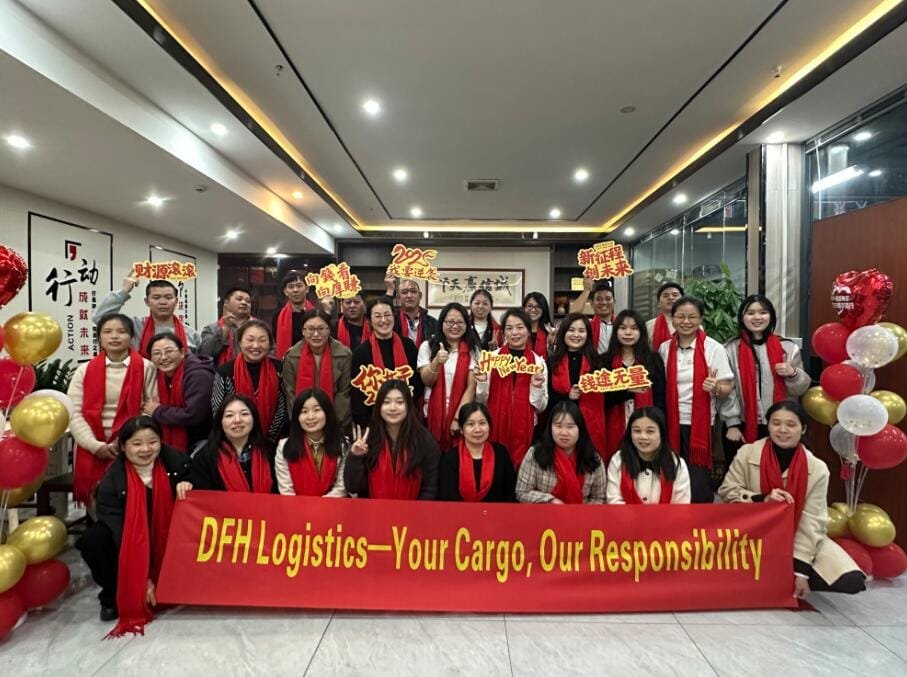
As DFH Logistics co-founder, my focus is not to win your first shipment. My focus is to build a system that works on your 10th, 50th, and 100th replenishment.
What we execute strongly:
- China-side consolidation and verification to prevent Amazon inbound errors
- Clear scope confirmation so sellers do not face surprise bills
- Scenario-based shipping plans: sea base plus air rescue when needed
- One accountable team from pickup to Amazon FC appointment delivery
If you are tired of unclear quotes and inconsistent execution, the solution is not more comparing.
The solution is choosing a partner who can run the full Amazon chain with control.
Conclusion: turn this information into a real shipping plan
If you are actively preparing your next Amazon AU shipment
You can send me:
- product type and basic description
- carton quantity, size, and weight
- target Amazon FC
- preferred arrival window
I will review it from an execution perspective and tell you:
- which shipping method actually fits your inventory cycle
- where risks usually appear for this type of product
- what landed-cost range you should realistically plan for
No pressure, no sales pitch—just a clear logistics opinion based on real China–Australia Amazon execution.