
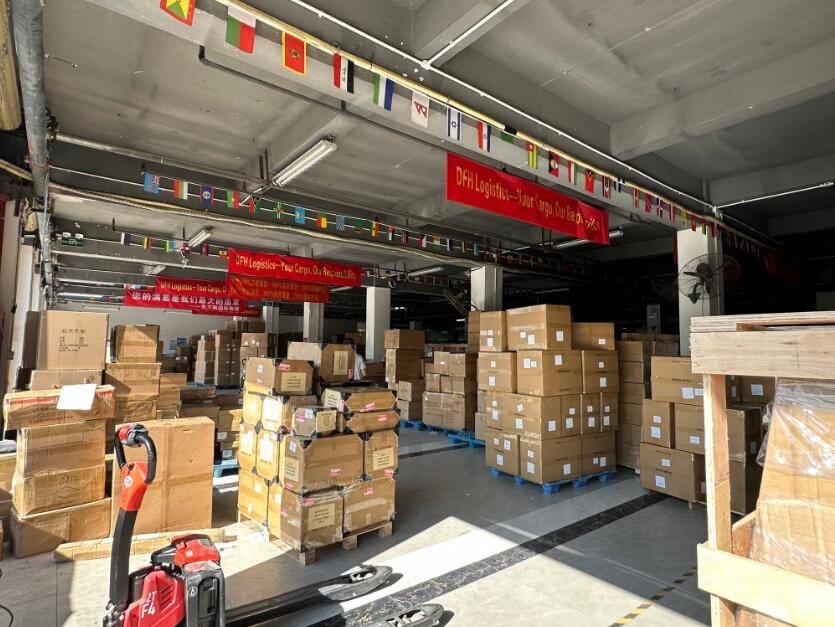
For shipping from China to Australia, couriers are suitable for small, urgent parcels under 30–45 kg, while freight forwarders are the better option for commercial shipments, bulky goods, pallets, or door-to-door DDP shipping with GST and customs handled in advance. The right choice depends on shipment size, urgency, total landed cost, and your ability to manage customs and tax risks.
If you’re comparing freight forwarder vs courier for China–Australia shipping, you’re probably already facing one of these problems:
- Courier quotes look simple, but the final bill keeps increasing
- You’re unsure who pays Australian GST and when
- Your cargo feels “too big” for courier pricing, but you don’t know the cutoff
- You want speed, but not at the cost of customs delays or surprise fees
I’m Penny, co-founder of DFH Logistics. Over the past 12+ years, I’ve helped Australian importers ship everything from samples to full containers. This article is written to solve the decision problem with practical guidance, not just explain definitions.
What Is a Courier for Shipping from China to Australia?
A courier is designed for fast, door-to-door delivery of small parcels, but offers limited cost control once shipments become commercial.
Couriers are a good fit when:
- You are shipping documents or samples
- The shipment is lightweight and urgent
- You want minimal involvement in logistics
The problem starts when cartons get bigger. Couriers charge by volumetric weight, not actual weight. Add fuel surcharges, remote area fees, and GST handling charges, and many importers discover the “easy” option is no longer cheap.
What Is a Freight Forwarder for China–Australia Routes?
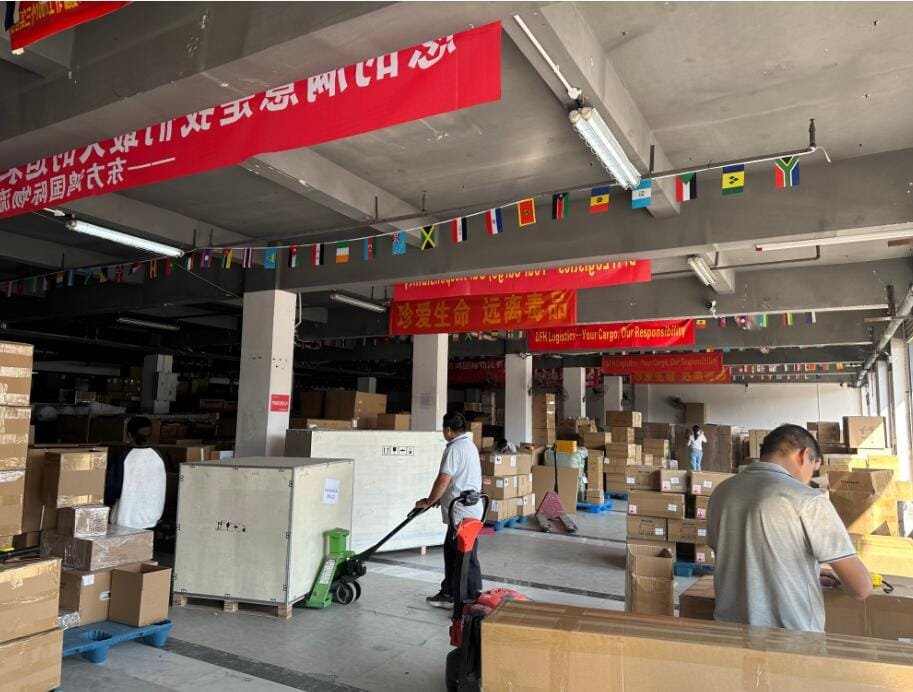
A freight forwarder manages the full logistics chain and is built for commercial, repeatable imports.
As a freight forwarder, our role typically includes:
- Supplier pickup across China
- Consolidation from multiple factories
- Repacking or palletizing to reduce volume
- Air freight, sea freight (LCL/FCL), or combined solutions
- Export documents, Australian customs clearance, and GST
- Door delivery to warehouse, business, or residential address
This is why freight forwarding becomes the logical choice once shipments move beyond parcel level.
Freight Forwarder vs Courier: The Core Differences That Matter
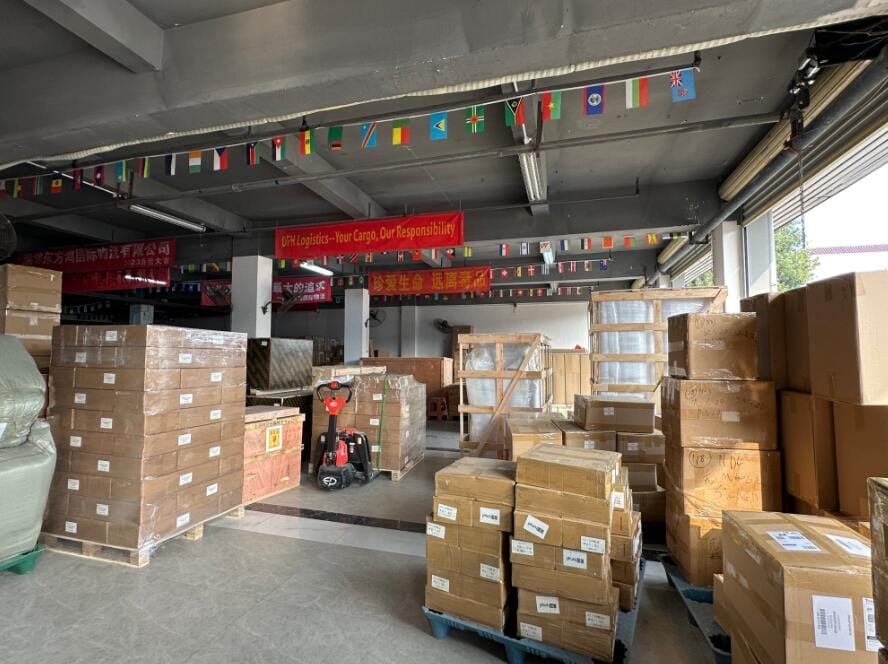
The real difference is not just speed, but how cost, customs, and risk are handled.
From my experience, these points decide everything:
- Pricing logic: Couriers charge per kg or volumetric kg; freight forwarders price by kg or CBM.
- Shipment size: Couriers suit parcels; freight forwarders handle cartons, pallets, and containers.
- Customs & GST: Couriers clear automatically and bill later; forwarders plan costs in advance.
- Problem handling: Couriers rely on ticket systems; freight forwarders actively manage issues.
This explains why courier shipments often become expensive after delivery.
Cost Comparison: Which Is Cheaper from China to Australia?
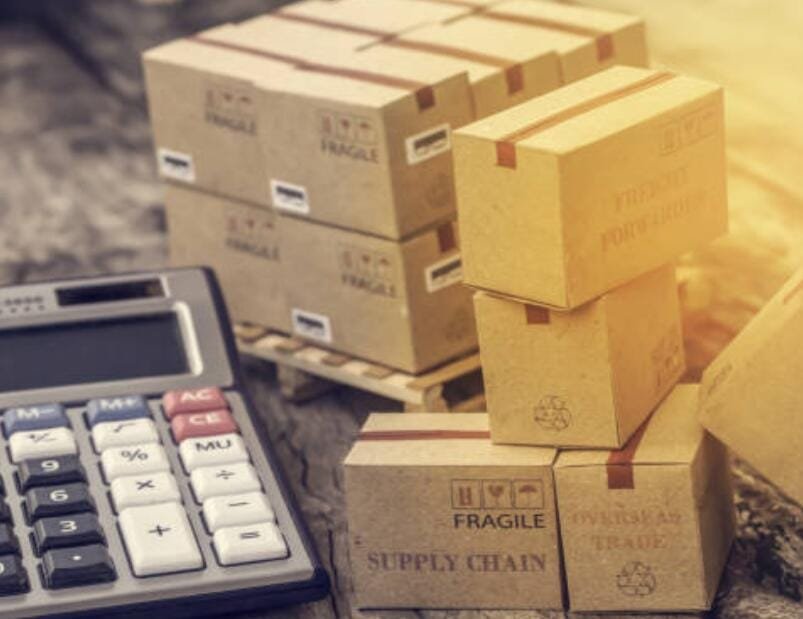
Couriers are only cheaper for very small shipments; freight forwarders reduce unit cost as volume increases.
In real shipping scenarios:
- Couriers work for light, low-volume parcels
- Freight forwarding becomes cheaper for multiple cartons, pallets, or bulky goods
Cost drivers that hurt courier shipments include volumetric weight, fuel surcharges, and GST handling.
For a deeper look at how landed cost is calculated, this article on How to Avoid Hidden Fees When Shipping from China explains where many hidden costs come from.
Transit Time: Speed vs Business Reality
Transit time is not just about “how fast,” but about whether the speed matches your cargo type, budget, and business timeline without creating extra cost or risk.
Many importers assume couriers are always the best choice because they are faster. In reality, freight forwarder air and DDP solutions often meet real business timelines at a much lower total cost, especially once shipments are commercial.
Below is a practical, side-by-side comparison based on real China–Australia shipping scenarios.
| Shipping Method | Typical Transit Time (Door to Door) | Best For | Business Reality |
|---|---|---|---|
| Courier (DHL / UPS / FedEx) | 3–7 days | Documents, samples, very small parcels | Fastest option, but cost rises sharply with weight and volume. Limited control once shipped. |
| Air Freight via Freight Forwarder | 3–7 days | Time-sensitive commercial cargo, cartons, small pallets | Slightly slower than courier, but significantly cheaper and more controllable for business shipments. |
| DDP Air Freight | 8–15 days | Importers who want speed with GST and customs handled | Balanced option: predictable delivery time and fixed landed cost. |
| DDP Sea Freight (LCL/FCL) | 25–40 days | Bulky, heavy, or cost-sensitive cargo | Slowest, but lowest cost per unit. Best for margin-focused imports. |
What this means in practice:
- If you are shipping samples or urgent replacement parts, courier speed makes sense.
- If you are shipping commercial goods with a delivery window, air freight via a freight forwarder is usually the smarter choice.
- If your cargo is bulky, heavy, or margin-sensitive, sea freight is the only sustainable option.
For most importers, saving 1–2 days rarely justifies paying 2–3 times more in shipping cost. This is why experienced businesses focus on reliability, predictability, and total landed cost, not just headline transit time.
Which Is Better Based on Cargo Type?

Your cargo type should determine the shipping method, not convenience.
Based on daily operations:
- Documents and samples → courier
- Small e-commerce parcels → courier or air freight
- Bulk cartons and pallets → freight forwarder
- Furniture, machinery, oversized cargo → freight forwarder
If your shipment involves multiple suppliers, this guide on
China warehouse consolidation shows how costs can be reduced before shipping.
Customs Clearance & GST: The Australia-Specific Risk
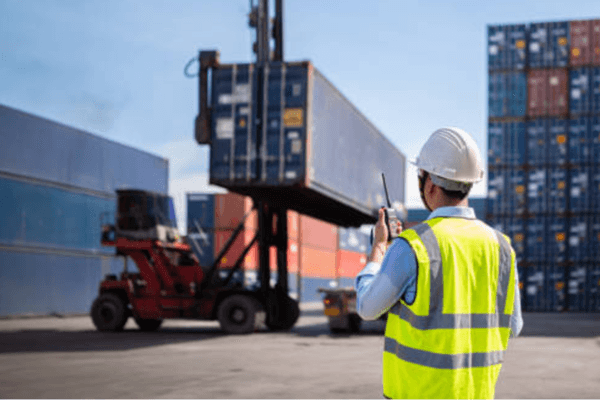
GST and customs clearance are where many first-time importers lose money.
With couriers:
- GST is advanced automatically
- You receive the invoice after delivery
- Charges are hard to control
With freight forwarders:
- GST and duties are calculated in advance
- DDP provides a predictable landed cost
- Customs risk is significantly reduced
If you are new to Australian imports, I recommend reviewing How to Declare Customs Value When Importing from China?.
Why DFH Logistics Is the Best Freight Forwarder from China to Australia
After more than 12 years of hands-on China–Australia shipping experience, I’ve learned that importers don’t need the “fastest” option — they need the most controllable, transparent, and reliable solution. This is exactly where DFH Logistics makes the difference.
I didn’t build DFH Logistics to compete with couriers on speed. I built it to solve the real problems Australian importers face once shipments become commercial.
Here is why many of our long-term Australia clients choose DFH Logistics as their freight forwarder:
1. We Specialize in Real China–Australia Shipping, Not Generic Routes
China–Australia shipping has its own challenges: GST rules, customs inspection patterns, long-distance last-mile delivery, and volume-based pricing traps.
At DFH Logistics, this route is not “just another lane” — it’s one we handle daily, with stable carriers and proven customs processes.
2. Predictable Landed Cost with DDP Options
One of the biggest reasons clients leave couriers is unpredictable final cost.
With DFH Logistics, we can provide DDP door-to-door shipping, where freight, customs clearance, GST, and delivery are planned in advance. This allows you to:
- Know your total landed cost before shipping
- Avoid surprise GST or brokerage invoices
- Budget accurately for your business
3. Built for Commercial and Growing Shipments
Couriers work until your business grows — then they become a bottleneck.
DFH Logistics is designed for:
- Multiple cartons and pallets
- Bulky or heavy cargo
- Furniture, machinery, and oversized goods
- Repeated monthly or seasonal shipments
As your shipment volume increases, our cost efficiency improves instead of getting worse.
4. China-Side Control That Actually Reduces Cost
Because we operate directly in China, we don’t just “book space.” We actively manage:
- Supplier pickup and coordination
- Consolidation from multiple factories
- Repacking and palletizing to reduce chargeable volume
- Pre-shipment checks to avoid export or customs issues
This China-side control is something couriers simply cannot offer.
5. One Point of Accountability — Not a Ticket System
When problems happen — delays, inspections, documentation issues — the difference between a courier and a freight forwarder becomes very clear.
With DFH Logistics:
- You deal with a real logistics team, not an automated system
- Issues are handled proactively, not after delivery
- You have one accountable partner from pickup to final delivery
In short, DFH Logistics is not the cheapest on paper for a small parcel — and we’re not trying to be.
We are built to help Australian importers ship from China with fewer surprises, lower long-term cost, and full operational control.
That is why clients who plan to import seriously, not just once, usually choose DFH Logistics as their long-term freight forwarding partner.
Final Verdict: Freight Forwarder or Courier?
Use a courier for small, urgent parcels. Use a freight forwarder for commercial cargo, bulky shipments, or when GST and customs certainty matter.
This decision is not about which option is faster, but which one is correct for your shipment and business stage.